Choosing the right inverter is one of the most important decisions when installing solar panels in Darwin. The inverter converts DC power from your panels into usable AC electricity, and the type you choose affects performance, monitoring, expandability, and long-term reliability.
This guide compares microinverters and string inverters specifically for Darwin, Palmerston, Alice Springs, Katherine, and Tennant Creek conditions, helping you make the best choice for your home.
Understanding the Two Main Inverter Types
Before comparing performance, it is important to understand how each solar inverter Darwin option works.
String Inverters
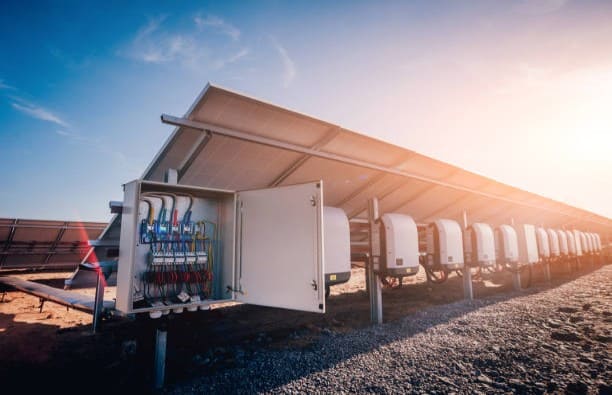
A string inverter is a single unit, typically mounted on a wall near your meter box. All your solar panels connect in series (strings), and the inverter converts the combined DC output to AC power.
Microinverters
Microinverters are small units installed underneath each solar panel. Each panel has its own inverter, converting DC to AC at the panel level. The AC power from all panels combines in your switchboard.
| Feature | String Inverter | Microinverter |
| Location | Wall-mounted, single unit | Under each panel on roof |
| Conversion | Centralised for all panels | Individual per panel |
| Monitoring | System-level (basic) or panel-level (with optimisers) | Panel-level standard |
| Expandability | Limited by inverter capacity | Easily add panels |
| Typical brands | Fronius, SMA, Sungrow, GoodWe | Enphase, AP Systems |
Performance in Darwin's Climate
Darwin's extreme heat and humidity create specific challenges for solar inverters. How do microinverters and string inverters compare in NT conditions?
Important Read: When Should You Upgrade Your Solar Inverter Instead of Repairing It?
Heat Performance
| Factor | String Inverter | Microinverter |
| Operating temperature | Up to 45-50°C before derating | Up to 65-75°C rated |
| Heat location | Wall-mounted, can be shaded | Under panel on hot roof |
| Derating risk | Moderate in Darwin | Lower due to higher tolerance |
| Ventilation needs | Requires airflow around unit | Passive cooling on roof |
While microinverters are rated for higher temperatures, they sit on the roof where temperatures can exceed 70°C on extreme Darwin days. Quality string inverters mounted in shaded locations often perform equally well in practice.
Shading Performance
This is where microinverters show their greatest advantage.
| Shading Scenario | String Inverter Impact | Microinverter Impact |
| One panel shaded | Entire string output reduced | Only shaded panel affected |
| Morning/afternoon shade | Significant losses | Minimal losses |
| Tree shadow moving | Variable losses throughout day | Only affected panels impacted |
| Bird droppings/debris | String performance drops | Single panel affected |
For Darwin homes with partial shading from trees, neighbouring buildings, or roof features, microinverters can deliver 10-25% more energy than string inverters. For unshaded roofs, the difference is minimal (1-3%).
Cost Comparison
Budget is often a deciding factor when choosing solar inverters installations in Darwin.
| System Size | String Inverter Cost | Microinverter Cost | Difference |
| 5kW | $1,200 - $2,000 | $2,500 - $3,500 | +$1,300 - $1,500 |
| 6.6kW | $1,400 - $2,200 | $3,200 - $4,500 | +$1,800 - $2,300 |
| 10kW | $2,000 - $3,500 | $4,800 - $6,500 | +$2,800 - $3,000 |
| 13kW+ | $2,500 - $4,500 | $6,000 - $8,500 | +$3,500 - $4,000 |
Microinverters typically add $1,500-$4,000 to a solar installation, depending on system size. This premium must be weighed against potential performance benefits and longer warranties.
Reliability and Warranty
Long-term reliability is crucial for maximising your solar installation investment.
| Factor | String Inverter | Microinverter |
| Typical warranty | 5-12 years | 15-25 years |
| Expected lifespan | 10-15 years | 20-25 years |
| Failure impact | Entire system stops | Only one panel affected |
| Replacement cost | $1,500-$3,500 | $200-$400 per unit |
| Replacement access | Easy (wall-mounted) | Requires roof access |
Microinverters typically outlast string inverters and offer longer warranties. However, when a microinverter fails, it requires roof access to replace. String inverter replacement is more expensive but easier to access.
Important Read: Best Solar Inverter in Darwin 2023: How to Buy the Best Solar Inverter
Battery Compatibility
If you plan to add battery storage to your Darwin solar system, inverter choice matters.
| Battery Scenario | String Inverter | Microinverter |
| Hybrid inverter option | Yes - battery-ready from install | No - requires separate battery inverter |
| AC-coupled battery | Compatible | Compatible |
| Battery cost impact | Lower (single inverter system) | Higher (additional equipment needed) |
| Backup power | Seamless with hybrid | Requires Enphase battery system |
For homeowners planning to add battery storage, a hybrid string inverter often provides the most cost-effective and integrated solution.
Which is Best for Darwin?
The right choice depends on your specific situation.
Choose String Inverters If:
Your roof has no shading issues, you want the lowest upfront cost, you plan to add battery storage (choose hybrid), your system is straightforward (single roof plane, good orientation), or budget is your primary concern.
Choose Microinverters If:
Your roof has partial shading from trees or structures, you have multiple roof planes facing different directions, you want panel-level monitoring as standard, maximum energy harvest is your priority over upfront cost, or you want the longest possible warranty.
Frequently Asked Questions
Are microinverters worth the extra cost in Darwin?
For shaded roofs, yes. The 10-25% production improvement can recover the premium within 5-7 years. For unshaded roofs, the production difference is minimal (1-3%), making string inverters a better value.
Which inverter brand is best for Darwin?
For string inverters, Fronius, SMA, and Sungrow have proven reliability in Darwin conditions. For microinverters, Enphase dominates the market with excellent performance and local support.
Do microinverters work better in Darwin's heat?
Microinverters are rated for higher temperatures, but sit on hot roofs. Quality string inverters mounted in shaded, ventilated locations often perform equally well. Neither has a clear heat advantage in Darwin.
Can I mix microinverters with a string inverter?
Not typically. Systems use one technology or the other. However, string inverters can be paired with power optimisers (like SolarEdge) to achieve panel-level optimisation similar to microinverters.
What happens if my string inverter fails?
Your entire system stops producing until it is replaced or repaired. This typically takes a few days to a week, depending on parts availability. Quality brands like Fronius offer strong warranty support in Darwin.
How long do solar inverters last in Darwin?
String inverters typically last 10-15 years in Darwin conditions, while microinverters can last 20-25 years. Darwin's heat can reduce lifespan compared to cooler climates, making quality and proper installation important.
Make the Right Inverter Choice
Both microinverters and string inverters can perform excellently in Darwin when properly specified and installed. The best choice depends on your roof conditions, budget, and future plans for battery storage.
Oneroof Solar installs both inverter types across Darwin, Palmerston, Alice Springs, Katherine, and Tennant Creek. Our team assesses your specific roof and recommends the inverter type that delivers the best value for your situation.
Verdict: For most Darwin homes with unshaded roofs, a quality string inverter (Fronius, SMA, or Sungrow) offers the best value, particularly if you plan to add battery storage. For homes with shading issues or complex roof layouts, microinverters (Enphase) justify their premium through improved energy harvest. The performance difference on unshaded roofs is minimal, making cost and battery compatibility the deciding factors. Both technologies perform well in Darwin's climate when properly installed by experienced local installers.
Note: Prices and specifications are estimates based on current market conditions. Contact Oneroof Solar for recommendations tailored to your specific roof and energy needs.
───────────────────────────────────────────────────────────────────────────────────
Get Your Free Solar Consultation
Contact Oneroof Solar for expert inverter advice:
Darwin Office Address: Level 1/48-50 Smith St, Darwin City NT 0800
Phone: 08 8004 7888
Hours: 8 am - 6 pm (7 days)
Alice Springs Office Address: 44 Zeil St, Araluen NT 0870
Phone: 04 8393 7004
Hours: 9 am - 6 pm (Sunday closed)
Website: oneroofsolar.com.au
Serving Darwin, Palmerston, Alice Springs, Katherine, and Tennant Creek with quality solar installation services.
───────────────────────────────────────────────────────────────────────────────────
About the Author
This article is brought to you by the expert team at Oneroof Solar, the Northern Territory's most trusted local solar installers and service providers. With over 200 successful installations across Darwin, Palmerston, Alice Springs, Katherine, and Tennant Creek, we are passionate about helping Territory families and businesses achieve complete energy independence through quality solar and storage solutions designed for the NT's unique climate.