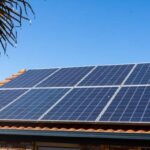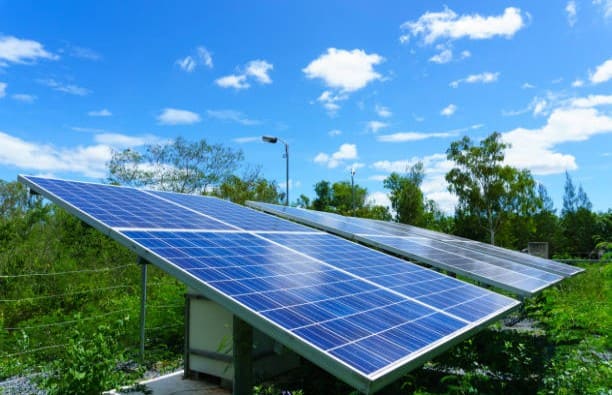
A solar system is a significant asset. A typical Darwin home solar installation with battery storage represents an investment of $12,000 to $20,000. Yet many NT homeowners have no clear understanding of whether their solar system is actually covered by their existing home insurance policy — and under what circumstances a claim would succeed. Darwin’s unique risk profile, including cyclone exposure, severe lightning activity, and extreme heat, creates insurance considerations that are more complex than those faced by homeowners in southern states. This guide gives Darwin, Palmerston, Alice Springs, Katherine, and Tennant Creek solar owners a clear framework for understanding, reviewing, and optimising their solar insurance coverage in 2026. Investing in solar in Darwin is one of the smartest financial decisions NT homeowners make — and protecting that investment with adequate insurance is an equally smart companion decision.
Why Solar Insurance Matters More in Darwin Than in Southern States
Darwin’s risk environment is significantly more demanding than that of southern Australian cities. The combination of cyclone exposure, 80+ lightning days per year, extreme heat, heavy rainfall, and humidity creates a higher probability of solar system damage than in Melbourne, Sydney, or Brisbane. For any solar panel installation on a Darwin property, the risk of needing to make an insurance claim during a 25-year system life is genuinely significant. A Category 3 cyclone event, a direct lightning strike to the electrical system, or a series of severe storms causing cumulative surge damage can each result in repair or replacement costs of $3,000 to $15,000 or more. Understanding your insurance position before an event occurs is far more valuable than discovering a coverage gap in its aftermath.
| Risk Type | Darwin Frequency | Potential Repair Cost | Typically Covered By |
| Lightning surge damage to inverter | High — 80+ lightning days/year | $1,500–$3,000 | Home building insurance (check policy) |
| Cyclone wind damage to panels/mounting | Low–Medium — every 5–10 years | $3,000–$15,000+ | Home building insurance (cyclone cover) |
| Storm debris damage | Medium — annually during wet season | $500–$3,000 | Home building insurance |
| Theft of panels or inverter | Low | $2,000–$8,000 | Home contents or building insurance |
| Accidental damage during maintenance | Low | $500–$2,000 | Varies — check policy terms |
| Battery damage from surge or overheating | Medium | $4,000–$12,000 | Home building (building-attached batteries) |
What Standard Home Insurance Typically Covers for Darwin Solar Systems
Most standard home building insurance policies in Australia treat solar panels as part of the building structure, meaning they are covered under the building sum insured. However, the specific terms, conditions, and exclusions vary significantly between insurers and policies. Battery storage systems are treated differently by different insurers — some classify them as building fixtures, others as contents. Understanding how your insurer classifies each component of your solar system is essential.
| Solar Component | Typical Classification | Usually Covered? | Common Exclusions |
| Roof-mounted solar panels | Building structure | Yes — under building insurance | Wear and tear, gradual deterioration |
| Grid-tied inverter (wall-mounted) | Building fixture | Usually yes | Electrical or mechanical breakdown (need separate cover) |
| Battery (wall or floor mounted) | Building fixture or contents | Varies by insurer | Gradual degradation, mechanical breakdown |
| EV charger (wall-mounted) | Building fixture | Usually yes | Manufacturer defects (use warranty instead) |
| Monitoring equipment | Contents | Sometimes | Check contents policy separately |
| Wiring and conduit | Building | Yes | Intentional damage, poor maintenance |
Key Coverage Questions to Ask Your Insurer
Before the next storm season, every Darwin solar homeowner should contact their insurer and ask the following questions to confirm their coverage position. Do not assume that your solar system is covered simply because it is attached to the roof. Document the answers and request written confirmation if any key coverage point is not clearly stated in your policy document.
Important Read: Solar in Darwin: The Complete 2026 Guide for NT Homeowners
Essential Insurance Questions for Darwin Solar Owners
| Question to Ask Your Insurer | Why It Matters | What the Answer Should Be |
| Are my solar panels included in my building sum insured? | Panels may be excluded if not specifically listed | Yes, automatically included as building fixtures |
| Is my battery storage system covered under building or contents? | Determines which policy section applies | Clearly specified in your policy schedule |
| Am I covered for lightning surge damage to my inverter? | Lightning damage is one of Darwin’s highest solar risks | Yes, under storm damage or accidental damage |
| Does my cyclone cover include solar panel wind damage? | Cyclone cover is essential in Darwin’s Region D | Yes, cyclone damage is included in building cover |
| What is the excess for a solar-related claim? | High excesses can make small claims uneconomical | Acceptable excess relative to likely claim amounts |
| Is my system covered for its replacement value or current market value? | Depreciation can significantly reduce payouts on older systems | Replacement value (new for old) preferred |
How to Make a Solar Insurance Claim in Darwin
If your solar system is damaged and you need to make an insurance claim, having the right documentation ready will significantly improve the outcome. The solar panel repair Darwin team at Oneroof Solar can provide the professional fault assessment report that insurers typically require to process solar-related claims. Following the correct steps in order will prevent unnecessary delays and reduce the risk of a claim being rejected on a technicality.
| Claim Step | Action | Documentation Required | Timeline |
| 1. Document the damage | Photograph all visible damage immediately after the event | Date-stamped photos | Within 24 hours of damage |
| 2. Notify insurer | Contact insurer to lodge claim notice | Policy number, date and nature of event | Within 24–48 hours |
| 3. Obtain professional assessment | Book Oneroof Solar for fault diagnosis report | Written technician report with repair quote | Within 1–2 weeks |
| 4. Submit full claim | Provide all documentation to insurer | Photos, technician report, installation certificate, purchase receipts | Per insurer’s claim form |
| 5. Insurer assessment | Insurer reviews claim and may send assessor | No additional action required initially | 2–6 weeks typically |
| 6. Repair or replacement | Insurer approves repair or replacement | Approved scope of works | Per approved timeline |
The Cost of Being Underinsured for Darwin Solar Owners
Many Darwin homeowners discover they are underinsured for solar only after making a claim. Common underinsurance situations include having a building sum insured that does not account for the solar system value, having a battery classified as contents when the contents policy limit is too low to cover its replacement, and having storm damage coverage with exclusions for electrical surge — the most common cause of Darwin solar damage. The following table illustrates the financial impact of common underinsurance scenarios for a Darwin home with a solar battery storage system.
| Underinsurance Scenario | Claimed Amount | Payout Received | Gap to Cover Yourself |
| Inverter surge damage — not covered by policy | $2,500 repair | $0 | $2,500 |
| Battery not listed in building or contents | $8,000 replacement | $0 | $8,000 |
| Cyclone damage — wind exclusion clause applies | $12,000 panel and mounting repair | $0 | $12,000 |
| Market value (depreciated) payout vs replacement cost | $15,000 claim | $8,000 (depreciated payout) | $7,000 |
| High excess making small claims uneconomical | $1,500 repair | Claim not lodged — excess is $2,000 | $1,500 |
Specialist Solar Insurance Options for Darwin Homeowners
For Darwin homeowners with larger solar and battery systems, specialist solar insurance products are available that provide dedicated coverage beyond standard home building policies. These policies are designed specifically for solar assets and typically offer new-for-old replacement, no depreciation on payouts, coverage for mechanical and electrical breakdown (not just storm damage), and higher coverage limits appropriate for systems valued above $15,000. Contact a licensed insurance broker familiar with the Northern Territory market for advice on whether a specialist policy is appropriate for your system value and risk profile.
Pricing Disclaimer: All cost figures are indicative estimates for the Northern Territory market as of March 2026, and may vary based on system size, property type, and installer rates. Contact Oneroof Solar for a precise quote tailored to your specific system and location.
Important Read: Solar Performance in Darwin’s Wet Season: What Really Happens?
Frequently Asked Questions
Is my solar system automatically covered by my home insurance?
Solar panels attached to the roof are generally treated as part of the building structure and covered under most standard home building insurance policies. However, coverage is not automatic or guaranteed — it depends on your specific policy terms, the events covered, and whether your building sum insured is adequate to include the solar system value. Contact your insurer to confirm your specific coverage position before the next storm season.
Does home insurance cover lightning damage to my solar inverter?
Most home building insurance policies cover storm damage, which generally includes lightning strike damage. However, some policies distinguish between direct lightning strike damage and indirect surge damage — the more common cause of inverter failure in Darwin. Review your policy wording carefully or ask your insurer specifically whether indirect lightning surge damage to your inverter is covered. If it is not, consider adding an accidental damage extension to your policy.
What documentation do I need to make a solar insurance claim?
The key documents for a solar insurance claim are: photographs of the damage (date-stamped), your original solar installation certificate (provided by Oneroof Solar at installation), a professional fault diagnosis report from an accredited solar technician, a written repair or replacement quote, and your original system purchase receipts or invoices. The solar panel repair Darwin team at Oneroof Solar can prepare the technical documentation required for insurance claims across Darwin, Palmerston, Alice Springs, Katherine, and Tennant Creek.
Is my battery storage system covered by home insurance?
Coverage for battery storage Darwin systems varies significantly between insurers. Wall-mounted batteries are often classified as building fixtures and covered under the building policy. Floor-standing or portable battery units may be classified as contents. The replacement cost of a 13.5kWh battery ($6,000 to $12,000) is high enough that confirming coverage explicitly with your insurer — and adjusting your building or contents sum insured accordingly — is an important step for every Darwin solar battery owner.
How much should I add to my building sum insured for solar?
As a general guide, add the full replacement cost of your solar system to your building sum insured. For a 6.6kW solar panel system, this is typically $6,000 to $10,000. For a 6.6kW system with a 13.5kWh battery, add $14,000 to $20,000 to your building sum insured. Use the current market replacement value rather than the original installation price, as solar equipment costs have changed over time. If your insurer offers a new-for-old replacement clause, this covers you for the current replacement cost automatically.
Will making a solar insurance claim increase my premiums?
Making a claim may affect your future premiums, depending on your insurer’s claims history policy and the nature of the claim. In practice, a single storm or lightning damage claim for a Darwin property is unlikely to result in significant premium increases, as these are recognised as environmental risks outside the homeowner’s control rather than signs of negligence. However, multiple claims in quick succession may affect your premium or your insurer’s willingness to renew your policy.
Is solar insurance different from a solar warranty?
Yes. Solar warranties cover manufacturing defects and performance degradation that are the responsibility of the manufacturer or installer. Solar insurance covers damage from external events — storms, lightning, theft, and accidental damage — that are not the manufacturer’s responsibility. Both are important and complement each other. A complete solar protection strategy includes both valid manufacturer warranties and adequate home building insurance coverage.
Verdict
Solar insurance NT is not a set-and-forget matter for Darwin homeowners. Given the region’s above-average risk profile for cyclone, lightning, and storm damage, every solar owner should confirm their insurance coverage explicitly, ensure their building sum insured includes the full solar system replacement value, and verify that lightning surge damage to the inverter and battery is covered. Homeowners across Darwin, Palmerston, Alice Springs, Katherine, and Tennant Creek who take time to review their insurance position before the next storm season will have the peace of mind that their solar in Darwin investment is genuinely protected. Contact Oneroof Solar for expert solar advice and installation documentation that supports successful insurance claims.
Get Your Free Solar Consultation
Contact Oneroof Solar for expert solar insurance guidance and solar installation in Darwin:
Darwin Office Address: Level 1/48-50 Smith St, Darwin City NT 0800
Phone: 08 8004 7888
Hours: 8 am - 6 pm (7 days)
Alice Springs Office Address: 44 Zeil St, Araluen NT 0870
Phone: 04 8393 7004
Hours: 9 am - 6 pm (Sunday closed)
Website: oneroofsolar.com.au
Serving Darwin, Palmerston, Alice Springs, Katherine, and Tennant Creek with quality solar installation services.
About the Author
This article is brought to you by the expert team at Oneroof Solar, the Northern Territory’s most trusted local solar installers and service providers. With over 200 successful installations across Darwin, Palmerston, Alice Springs, Katherine, and Tennant Creek, we are passionate about helping Territory families and businesses achieve complete energy independence through quality solar and storage solutions designed for the NT’s unique climate.