
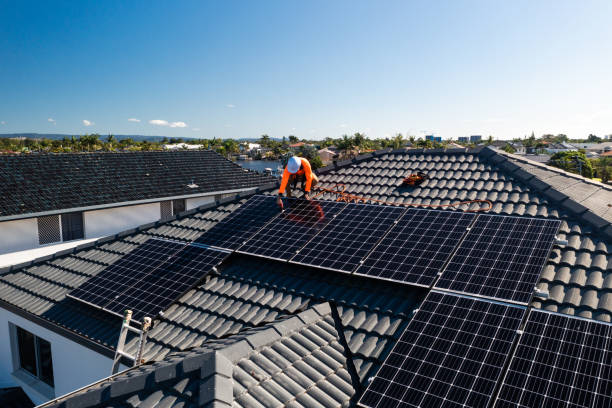
Darwin stands as one of Australia's premier destinations for solar energy generation. With over 8.4 hours of average daily sunshine and nearly 3,110 sunshine hours annually—the second-highest among Australian capitals—your solar investment in Darwin has extraordinary potential. Whether you're a homeowner seeking energy independence, a business owner looking to optimize operational costs, or managing a commercial property, understanding the solar installation process is the first step toward harnessing the Territory's abundant clean energy resources.
This comprehensive guide explores solar panel installation in Darwin, examines what solar installers in Darwin offer, compares solar companies in Darwin approaches, and helps you understand why Darwin is increasingly recognized as Australia's solar powerhouse. We'll examine everything from the installation process to long-term benefits, ensuring you make an informed decision about your solar future.
Why Darwin is Ideal for Solar Installation
Exceptional Solar Radiation and Climate Advantages
Darwin's tropical climate creates unique advantages for solar energy generation. The region experiences:
-
Peak Solar Hours (May-October): 8.7-10.5 hours daily during the dry season
-
Consistent Year-Round Generation: Even during the wet season (November-April), average solar hours remain between 5.5-7.3 hours
-
High Solar Irradiance: Strong, consistent sunlight throughout the year maximizes photovoltaic conversion
-
Tropical Positioning: Proximity to the equator means optimal solar radiation angles
The data speaks clearly: a typical 6.5 kW residential solar system in Darwin generates approximately 9,750 kWh annually. This exceptional generation capacity means faster payback periods and superior long-term returns compared to southern Australian locations.
Government Support and Incentives
The Northern Territory actively promotes renewable energy adoption through multiple incentive programs:
Federal Incentives:
-
Small-scale Technology Certificates (STCs): Residential systems under 100 kW qualify for rebates, reducing upfront installation costs significantly
-
Federal Solar Battery Rebate: Up to 30% rebate on eligible battery systems (capped at $4,000 per household)
NT-Specific Programs:
-
Home and Business Battery Scheme: Up to $5,000 in grants for eligible battery installations
-
Northern Territory Apartment Solar Rebate: Up to 50% of installation costs for multi-dwelling buildings (capped at $7,500 per dwelling)
-
Generous Feed-in Tariffs: 1-for-1 Solar Buyback scheme providing strong financial incentives for exported energy
These layered incentives make solar installation Darwin significantly more accessible than in previous years, with many homeowners and businesses able to reduce upfront costs substantially.
Energy Independence and Rising Electricity Costs
Darwin residents have witnessed increasing electricity costs over recent years. A typical household power bill approaches $700+ quarterly without solar intervention. Solar panel installation provides:
-
Immediate Bill Reduction: Generate your own power and reduce grid dependence
-
Protection Against Future Price Increases: Lock in stable energy costs for 25+ years
-
Energy Security: Combined with battery storage, achieve energy independence during peak demand periods
Types of Solar Installations: Residential vs. Commercial
Residential Solar Installation Darwin
Best For:
-
Family homes and townhouses
-
Single-property landowners
-
Homeowners with $6,000-$15,000+ budgets for system investment
Typical System Sizes:
-
Small systems: 3-4 kW (suitable for modest energy needs)
-
Medium systems: 5-8 kW (ideal for average households)
-
Large systems: 10+ kW (homes with high consumption or future EV charging plans)
Key Benefits:
-
Rooftop installations maximize available space efficiently
-
Faster installation timeline (typically 1-3 days)
-
Eligible for multiple government rebate schemes
-
Support for battery storage integration
-
Simplified grid connection process
Typical Applications:
-
Residential roof-mounted PV systems
-
Ground-mounted systems for properties with unsuitable roofs
-
Hybrid systems combining solar with battery storage
-
Solar hot water systems paired with PV panels
Commercial Solar Installation Darwin
Best For:
-
Retail and office businesses
-
Manufacturing and industrial facilities
-
Government and community institutions
-
Agricultural enterprises
System Characteristics:
-
Significantly larger scale (typically 30 kW - 500+ kW)
-
Often utilize carport structures, ground-mounted arrays, or dual-use installations
-
Tailored designs matching specific business energy consumption patterns
-
Advanced energy management systems
Strategic Advantages:
-
Substantial Operating Cost Reduction: Businesses consuming 20,000+ kWh annually see dramatic electricity bill decreases
-
Operational Predictability: Fixed energy costs improve financial forecasting
-
Brand Enhancement: Demonstrates environmental commitment to customers, investors, and stakeholders
-
Government Incentive Eligibility: Commercial systems qualify for Large-scale Renewable Energy Target (LRET) certificates
-
Scalability: Systems expand as business grows
Common Commercial Applications:
-
Retail centers and shopping complexes
-
Hospitality venues (hotels, restaurants, resorts)
-
Educational institutions
-
Healthcare facilities
-
Logistics and warehouse operations
-
Agricultural processing facilities
Important Read: Solar Inverter Installation Done Right – Choose Oneroof Solar in Darwin
The Solar Panel Installation Process: Step-by-Step
Understanding what to expect during installation empowers better decision-making. Here's the comprehensive process:
Stage 1: Initial Assessment and Energy Audit
Duration: 1-2 weeks
Your solar journey begins with professional assessment:
Property Evaluation:
-
Roof condition, age, and remaining lifespan assessment
-
Structural integrity verification (capacity to support panel weight)
-
Roof orientation and tilt angle analysis
-
Shading analysis (trees, buildings, chimneys, etc.)
-
Available installation space measurement
Energy Analysis:
-
Review of 12+ months of electricity bills
-
Peak usage time identification (critical for battery system design)
-
Seasonal consumption pattern analysis
-
Future energy need forecasting (EV charging, pool heating, etc.)
-
Appliance efficiency assessment
Site Suitability Report:
-
Professional recommendations on system placement
-
Roof stability certification (critical for Darwin's cyclone-prone environment)
-
Compliance confirmation with NT building codes
Stage 2: System Design
Duration: 1-2 weeks
Engineers design a customized system matching your specific needs:
Component Selection:
-
Solar Panel Type: Monocrystalline (most efficient), polycrystalline (cost-effective), or bifacial options
-
Inverter Technology: String inverters (cost-effective), microinverters (monitoring flexibility), or hybrid inverters (battery compatibility)
-
Mounting System: Roof-mounted, ground-mounted, or carport systems appropriate for Darwin's tropical climate
-
Battery Storage (Optional): Lithium-ion or other battery technologies for energy storage
Darwin-Specific Design Considerations:
-
Cyclone Resilience: Specialist mounting systems designed to withstand Category 4-5 cyclone winds
-
Humidity Management: Corrosion-resistant materials for coastal proximity
-
Thermal Performance: Ventilation strategies maximizing panel efficiency in high-temperature conditions
-
Wet/Dry Season Optimization: Panel orientation accounting for seasonal solar angle variations
3D System Visualization:
-
Detailed floor plans showing exact panel placement
-
Energy generation projections (kWh/year estimates)
-
Financial benefit forecasting
-
System performance graphs
Stage 3: Permitting and Approvals
Duration: 2-6 weeks (varies by council and system size)
Proper approvals ensure safety and compliance:
Building Permits:
-
Structural design compliance confirmation
-
Cyclone-resistance certification (mandatory in Darwin)
-
Council building code adherence verification
Electrical Permits:
-
Electrical safety compliance
-
Isolation switch installation verification
-
Protection device proper sizing
Grid Connection Approval:
-
Electricity distributor (NT PowerWater) technical assessment
-
Network impact analysis for feed-in capacity
-
Grid connection agreement execution
Environmental Assessments (if applicable):
-
Heritage site considerations
-
Conservation area evaluations
Your solar installer typically manages this process, coordinating submissions and communications with relevant authorities.
Stage 4: Equipment Procurement
Duration: 1-3 weeks
Once approvals secure, equipment ordering begins:
-
High-efficiency solar panels sourced
-
Inverter and mounting hardware procurement
-
Electrical components and safety devices acquisition
-
Battery components (if applicable) delivery
-
Installation materials preparation
Reputable installers source equipment from internationally certified manufacturers with proven performance in tropical climates.
Stage 5: Installation Day
Duration: 1-3 days (depending on system size and complexity)
Professional installation teams arrive with:
Safety Protocols:
-
Roof safety equipment and fall protection systems
-
Electrical safety procedures and lockout/tagout protocols
-
First aid and emergency response capabilities
Installation Sequence:
-
Roof Preparation: Final structural integrity verification, waterproofing inspection, anchor point establishment
-
Mounting System Installation: Securing metal frames to roof structure, ensuring cyclone-resistant fastening
-
Panel Placement: Careful positioning of solar panels on mounting structures, ensuring optimal angle and orientation
-
Electrical Wiring: DC wiring connecting panels in series/parallel configurations for proper voltage and current generation
-
Inverter Installation: Positioning in shaded location (typically external wall or garage), near main electrical panel
-
Electrical Integration: Connecting inverter to home's main electrical switchboard, safety disconnect installation
-
Battery Installation (if applicable): Placing battery unit with proper ventilation and electrical integration
-
System Testing: Comprehensive electrical and performance testing
-
Documentation: Installation photos, system diagrams, warranty documentation, user manuals
Inspection and Sign-Off:
-
Visual inspection for safety compliance
-
Preliminary system testing
-
Client walkthrough and education
Stage 6: Grid Connection and Meter Installation
Duration: 1-4 weeks (utility-dependent)
Your system cannot operate until the electricity distributor:
-
Removes the old electricity meter
-
Installs a new bi-directional meter (measures both consumption and feed-in energy)
-
Activates grid connection protocols
-
Completes final connection documentation
This step is essential for feed-in tariff eligibility and is coordinated between your installer and NT PowerWater.
Stage 7: Commissioning and System Activation
Duration: 1-2 weeks after meter installation
Final activation steps enable full system operation:
System Commissioning:
-
Inverter programming and configuration
-
Battery management system activation
-
Monitoring system setup and verification
-
Performance threshold establishment
Monitoring Platform Setup:
-
User account creation for real-time production monitoring
-
Mobile app installation and login verification
-
Email alert configuration
-
Performance baseline establishment
Performance Verification:
-
System output validation against design projections
-
Safety system verification
-
Feed-in tariff activation
Important Read: Save More with Oneroof Solar – Professional Solar System Installers in Darwin
Key Features of Quality Solar Installations
Cyclone-Resistant Design
Darwin's tropical position necessitates specialized installation approaches:
-
Wind-Rated Mounting Systems: Engineered to withstand 250+ km/h cyclone winds
-
Reinforced Fastening: Corrosion-resistant hardware securing panels firmly
-
Professional Installation: CEC-accredited installers experienced in high-wind area requirements
-
Regular Inspections: Pre-season checks before cyclone season (September-April)
Quality Component Selection
Long-term system reliability depends on component quality:
Solar Panels:
-
Monocrystalline technology (20-23% efficiency)
-
25-30 year durability warranties
-
Degradation rates ≤ 0.5% annually
-
Proven performance in tropical climates
Inverters:
-
String inverters (cost-effective), microinverters (individual monitoring), or hybrid options
-
10-25 year warranties
-
Thermal management for Darwin's high temperatures
-
Remote monitoring capabilities
Mounting Systems:
-
Aluminum and stainless steel construction (corrosion resistance)
-
Cyclone Zone C-D compliance
-
Professional installation ensuring proper angles
Batteries (Optional):
-
Lithium-ion technology (lifespan: 10-15 years)
-
Scalable capacity matching energy needs
-
Integrated safety management systems
Professional Installation Standards
Choosing CEC-accredited installers ensures:
-
Technical Expertise: Proper system design and component integration
-
Safety Compliance: Electrical code adherence and safety protocol implementation
-
Building Code Compliance: NT-specific requirement fulfillment
-
Warranty Support: Manufacturer warranty validation and ongoing support
-
Performance Optimization: Maximized energy generation and efficiency
-
Professional Liability: Insurance coverage and legal recourse
Residential Solar Installation Darwin: Homeowner Benefits
Financial Advantages
Bill Reduction:
-
Typical 6.5 kW systems offset 60-80% of household electricity consumption
-
Feed-in tariff credits for excess generation
-
Average household savings exceeding $400-$600 annually
Long-Term Value:
-
25-30 year system lifespan delivers 25+ years of energy savings
-
Cumulative savings often exceed $15,000+ over system lifetime
-
Protection against electricity price increases (historically 3-5% annually)
Property Value Enhancement:
-
Studies confirm 3-4% property value increases with installed solar
-
Enhanced market appeal to energy-conscious buyers
-
Faster property sale outcomes
Environmental Impact
-
Carbon Emission Reduction: 6.5 kW systems offset 8-10 tonnes CO2 annually
-
Renewable Energy Contribution: Support NT's 50% renewable energy target by 2030
-
Water Conservation: Solar generation uses virtually no water (unlike thermal power plants)
-
Ecosystem Protection: Reduced mining and drilling environmental impacts
Energy Security
-
Blackout Protection: Battery-equipped systems provide backup power during outages
-
Grid Independence: Reduced reliance on centralized power distribution
-
Predictable Costs: Fixed energy generation offsetting rising grid electricity costs
Important Read: Solar Panel Installation Darwin – Go Solar & Cut Your Power Bills
Commercial Solar Installation Darwin: Business Benefits
Operational Cost Optimization
-
Electricity Bill Reduction: 30-50% reductions common for businesses with suitable roof space
-
Operational Predictability: Fixed energy costs improve financial forecasting
-
Competitive Advantage: Lower operating costs enable better pricing or improved margins
Strategic Business Benefits
Brand and Reputation:
-
Environmental commitment demonstration attracts eco-conscious customers
-
Corporate social responsibility alignment
-
Marketing differentiation in competitive markets
Risk Mitigation:
-
Protection against future electricity price increases
-
Energy cost certainty improving long-term business planning
-
Reduced grid dependence during potential blackouts
Investment Returns:
-
Government incentives offset significant upfront costs
-
Payback periods typically 5-7 years for properly sized systems
-
15-20+ years of operation post-payback generating free energy
Choosing Solar Installers in Darwin
Essential Evaluation Criteria
Certifications and Credentials:
-
Clean Energy Council (CEC) Accreditation (mandatory for rebate eligibility)
-
NT Electrical Worker License
-
Building contractor licensing
-
High-risk work licenses (for roof work)
-
Insurance coverage (public liability and professional indemnity)
Experience and Expertise:
-
Years operating in Darwin specifically (local climate knowledge)
-
Commercial vs. residential project portfolio
-
Tropical and cyclone-rated installation experience
-
Portfolio demonstrating diverse system sizes
Customer Support:
-
Pre-installation consultation quality
-
Clear communication throughout project
-
Post-installation maintenance options
-
Emergency support availability
-
Warranty claim process support
Reputation and References:
-
Google reviews and customer testimonials
-
Industry recognition and awards
-
Referrals from satisfied customers
-
Case studies demonstrating successful projects
Solar Panel Installation Darwin: What to Expect Timeline
Overall Project Timeline
From Initial Consultation to System Activation: 6-12 weeks typical
| Stage | Duration | Key Activities |
|---|---|---|
| Assessment & Design | 2-3 weeks | Site inspection, energy analysis, system design |
| Permitting | 2-6 weeks | Building permits, electrical approvals, grid connection |
| Equipment Procurement | 1-3 weeks | Component ordering and delivery |
| Installation | 1-3 days | Physical installation and initial testing |
| Meter Installation | 1-4 weeks | Utility company scheduling and installation |
| Commissioning | 1-2 weeks | System activation and monitoring setup |
| Total | 6-12 weeks | From consultation to full operation |
Seasonal Considerations:
-
Dry Season (May-October): Optimal installation window—clear skies support installation logistics
-
Wet Season (November-April): Potential delays due to weather, but installations continue
-
Pre-Cyclone Season: September-October scheduling balances optimal weather with pre-season installation desires
Maximizing Your Solar Investment
System Optimization Strategies
Monitoring and Maintenance:
-
Monthly performance reviews via monitoring apps
-
Seasonal panel cleaning (quarterly minimum in Darwin)
-
Professional maintenance packages (annual inspections)
-
Performance trend analysis identifying degradation
Battery Integration:
-
Pair solar with storage capturing daytime generation for nighttime use
-
Peak demand management reducing grid dependency during high-cost periods
-
Backup power availability during outages
Future Expansion:
-
Design systems with expansion capability for future capacity increases
-
Prepare for electric vehicle charging integration
-
Plan for household electrification (heating, cooking)
The Future of Solar in Darwin
Emerging Technologies and Trends
Enhanced Panel Efficiency:
-
Next-generation N-type cells achieving 22-24% efficiency
-
Bifacial panels capturing reflected light
-
Microinverter technology enabling individual panel optimization
Smart Grid Integration:
-
Virtual Power Plant (VPP) programs compensating battery owners for grid support
-
Demand response capabilities optimizing consumption patterns
-
Advanced monitoring systems providing granular energy insights
Battery Technology Advances:
-
Longer-lasting battery systems (15-20 year lifespan)
-
Lower costs improving battery accessibility
-
Residential battery storage becoming increasingly mainstream
NT Government Commitment:
-
50% renewable energy target by 2030
-
Continued expansion of support incentives
-
Infrastructure investment supporting solar adoption
Oneroof Solar: Your Trusted Darwin Solar Installation Partner
At Oneroof Solar, we understand Darwin's unique solar potential and the distinct requirements of tropical solar installations. Our comprehensive approach to solar panel installation Darwin combines technical expertise with deep local knowledge.
Why Choose Oneroof Solar
Local Darwin Expertise:
-
Years of experience with Darwin's tropical climate
-
Specialized knowledge of cyclone-resistant installation techniques
-
Understanding of local regulatory requirements
Comprehensive Services:
-
Professional assessment and system design
-
Complete installation from permits to commissioning
-
Ongoing maintenance and monitoring support
-
Battery storage integration specialists
Quality Commitment:
-
CEC-accredited installers and electricians
-
Premium component selection from proven manufacturers
-
Professional workmanship meeting highest standards
-
Comprehensive warranty support
Customer-Centric Approach:
-
Transparent communication throughout project
-
Flexible solutions tailored to specific needs
-
Prompt response to inquiries and concerns
-
Long-term partnership focus
Our Service Areas
-
Residential Solar Installation Darwin: Family homes, townhouses, investment properties
-
Commercial Solar Installation Darwin: Retail, offices, hospitality, industrial, government
-
Battery Storage Integration: Complete solar-plus-storage systems
-
System Maintenance: Ongoing support and optimization
Get Started with Your Solar Journey
Contact Oneroof Solar for your free consultation:
Our solar experts will:
-
Conduct a comprehensive site assessment
-
Analyze your energy consumption patterns
-
Design a customized solar system
-
Explain available government incentives
-
Answer all your questions
Contact us today to discover how solar energy can transform your home or business.
Important Read: Solar Panel Cleaning & Maintenance in Darwin: The Complete Guide to Maximizing Your System Efficiency
Conclusion: Your Solar Future Awaits in Darwin
Darwin stands uniquely positioned as Australia's solar capital, offering exceptional sun exposure, supportive government incentives, and proven technology. Whether you're a homeowner seeking bill reduction and energy independence or a business owner pursuing operational optimization, solar panel installation Darwin represents a smart investment in your financial and environmental future.
The combination of abundant sunshine, government support, declining technology costs, and improving system reliability makes now an ideal time to explore solar possibilities. With CEC-accredited installers like Oneroof Solar providing professional guidance and quality installation, transitioning to solar energy has never been more accessible or rewarding.
Your journey toward clean, renewable energy begins with a single conversation. Reach out to trusted local solar installers today and explore how solar power can illuminate your Darwin future.
FAQ: Solar Panel Installation Darwin
Q: How long do solar panels last?
A: Quality solar panels typically last 25-30+ years with minimal degradation (0.5% annually). Many systems installed in the 1990s still generate 80-85% of original capacity.
Q: Do I need batteries with my solar system?
A: Batteries are optional but increasingly popular. They store excess daytime generation for evening use, providing energy independence and blackout protection.
Q: What happens on cloudy days?
A: Solar systems still generate power on cloudy days (approximately 25% of clear-day output), though production decreases. Battery storage helps offset reduced generation.
Q: Can I install solar on a new home?
A: Yes. Plan solar installation during initial construction for optimal design integration, or retrofit after completion.
Q: Will solar damage my roof?
A: Professional installations cause no roof damage. Proper installation actually protects roof sections from UV exposure and weather damage.
Q: How do I know if my property is suitable?
A: Your roof needs sufficient sun exposure and structural capacity. Professional assessments determine suitability accurately. Most Darwin properties are excellent candidates.
Q: What maintenance does solar require?
A: Minimal maintenance—occasional panel cleaning (quarterly in Darwin) and annual professional inspections ensure optimal performance.
Q: How do government rebates work?
A: Federal rebates (STCs) are typically applied as upfront discounts by your installer. State-specific programs vary—your installer can explain specific eligibility.



[…] Important Read: Solar Panel Installation Darwin: Your Complete Guide to Going Solar in Darwin […]
[…] Important Read: Solar Panel Installation Darwin: Your Complete Guide to Going Solar in Darwin […]
[…] Important Read: Solar Panel Installation Darwin: Your Complete Guide to Going Solar in Darwin […]
[…] Important Read: Solar Panel Installation Darwin: Your Complete Guide to Going Solar in Darwin […]
[…] Important Read: Solar Panel Installation Darwin: Your Complete Guide to Going Solar in Darwin […]