
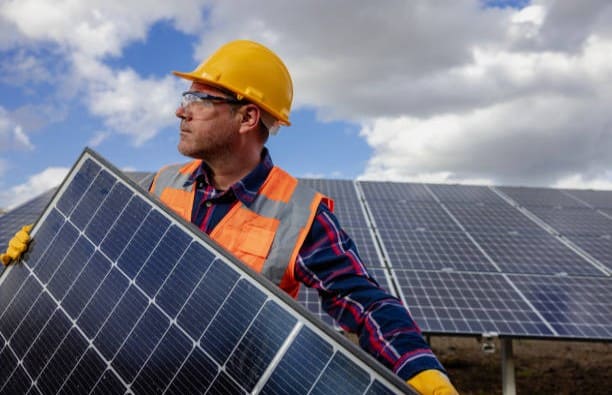
Darwin receives more sunshine than almost any other capital city in Australia, making it one of the best locations in the country for solar power. If you are considering solar in Darwin, you are making a decision that could save your household thousands of dollars annually while reducing your carbon footprint. This comprehensive guide covers everything Northern Territory homeowners need to know about going solar in 2026.
Whether you live in Darwin CBD, the surrounding suburbs of Palmerston, or further afield in Alice Springs, Katherine, or Tennant Creek, this guide will help you understand your options, maximise available rebates, and choose the right system for your home.
Why Darwin is Ideal for Solar Power
The Northern Territory enjoys exceptional solar conditions that make solar in Darwin particularly attractive compared to southern states.
Darwin’s Solar Advantage
| Factor | Darwin Performance |
|---|---|
| Average daily sunshine | 8.5 peak sun hours (dry season), 5-6 hours (wet season) |
| Annual solar radiation | 5.5-6.2 kWh per square metre daily |
| Year-round generation | Strong production throughout the entire year |
| Shading issues | Minimal due to flat terrain and urban layout |
How Darwin Compares to Other Australian Cities
| City | Average Daily Sun Hours | Annual Solar Output (6.6kW System) | Electricity Rate |
|---|---|---|---|
| Darwin | 6.5-8.5 hours | 9,500-10,500 kWh | 29-35c/kWh |
| Brisbane | 5.5-7 hours | 8,500-9,500 kWh | 25-30c/kWh |
| Sydney | 4.5-6 hours | 7,500-8,500 kWh | 28-33c/kWh |
| Melbourne | 4-5.5 hours | 6,500-7,500 kWh | 26-31c/kWh |
Darwin homeowners benefit from higher solar output AND higher electricity rates, creating a compelling case for solar investment. While NT electricity costs between 29-35 cents per kilowatt-hour (among the highest in Australia), solar panels in Darwin allow you to generate your own power for effectively zero ongoing cost.
Solar System Costs in Darwin 2026
Understanding the true cost of solar in Darwin requires factoring in the unique conditions of the Territory market.
Important Read: Solar Performance in Darwin’s Wet Season: What Really Happens?
Why Darwin Solar Costs More Than Southern States
Solar installation in Darwin typically costs 15-25% more than equivalent systems in Sydney or Melbourne. Several factors contribute to this:
| Factor | Impact on Cost |
|---|---|
| Cyclone-rated mounting | More robust mounting systems and additional labour are required |
| Remote location logistics | Equipment shipping to the Territory adds costs |
| Specialised installation | Darwin’s climate demands specific techniques and materials |
| Smaller market size | Fewer installations mean less economies of scale |
Current Darwin Solar System Prices (2026)
| System Size | Price Range (After Rebates) | Best For |
|---|---|---|
| 5kW | $4,500 - $6,500 | Small households, 1-2 people |
| 6.6kW | $5,500 - $8,000 | Average households, 3-4 people |
| 10kW | $8,500 - $12,000 | Large households, pool owners |
| 13kW+ | $12,000 - $18,000 | Large homes, EV owners, high usage |
These prices reflect quality Tier 1 panels and reputable inverters installed by accredited local solar installers in Darwin. Beware of quotes significantly below these ranges, as they often indicate inferior components or inexperienced installers.
Battery Storage Costs
Adding battery storage to your solar in Darwin system provides backup power during outages and maximises self-consumption:
| Battery Size | Price Range | Backup Capability |
|---|---|---|
| 5kWh | $6,000 - $8,000 | Essential circuits, 4-6 hours |
| 10kWh | $10,000 - $14,000 | Most circuits, 8-12 hours |
| 13.5kWh (Tesla Powerwall) | $14,000 - $17,000 | Whole home, 12-18 hours |
| 20kWh+ | $20,000 - $28,000 | Extended backup, 24+ hours |
Note: Prices mentioned are estimates based on current market rates and may vary depending on system specifications, installation complexity, and available rebates. Contact Oneroof Solar for an accurate quote tailored to your specific needs.
Solar Rebates Available in Darwin 2026
Territory homeowners can access substantial rebates that significantly reduce the upfront cost of solar in Darwin.
Federal Solar Rebate (STCs)
The Small-scale Technology Certificates scheme provides an upfront discount on solar panel installations:
| Rebate Detail | Information |
|---|---|
| Current value | Approximately $2,800 - $3,500 for a 6.6kW system |
| How it works | Your installer claims the STCs on your behalf and deducts the value from your quote |
| Important change | STC values reduced on January 1, 2026 and will phase out completely by 2030 |
NT Battery Grant Scheme
The Northern Territory Government battery grant offers one of Australia’s most generous battery rebates:
| Grant Detail | Information |
|---|---|
| Grant amount | Up to $6,000 for eligible battery installations |
| Eligibility | NT residential properties with existing or new solar systems |
| Requirements | Battery must be at least 7kWh capacity and VPP-capable |
Combined Rebate Value
| Component | Rebate Value |
|---|---|
| Federal STCs (6.6kW solar) | $2,800 - $3,500 |
| NT Battery Grant | Up to $6,000 |
| Total Potential Savings | Up to $9,500 |
Critical Deadline: May 1, 2026
The federal battery rebate structure changes significantly on May 1, 2026:
| Timeline | STC Factor | Impact |
|---|---|---|
| Current (before May 1) | 9.3 | Maximum rebate value |
| After May 1, 2026 | 6.8 | Approximately 20% reduction |
| Savings difference | - | Homeowners save $800-$1,200 more by acting before the deadline |
Darwin, Palmerston, Alice Springs, Katherine, and Tennant Creek residents should act before this deadline to maximise their solar rebate entitlements.
Choosing the Right Solar System for Darwin Conditions
Selecting appropriate equipment for the Territory’s unique climate is essential for long-term performance and reliability.
Best Solar Panels for Darwin
Not all solar panels perform equally in Darwin’s extreme conditions. Look for panels with these characteristics:
| Feature | Why It Matters in Darwin |
|---|---|
| High temperature coefficient | Premium panels lose only 0.3% per degree above 25°C, while budget panels may lose 0.5% or more |
| N-type technology | TOPCon and HJT panels outperform traditional P-type panels in high temperatures |
| Robust frames | Cyclone-rated installations require panels with strong aluminium frames |
| Salt mist resistance | Essential for coastal Darwin suburbs like Nightcliff, Fannie Bay, and Larrakeyah |
Recommended Panel Brands for Darwin
| Brand | Key Benefit |
|---|---|
| REC Alpha Pure | Excellent heat performance, 25-year warranty |
| Jinko Tiger Neo | Strong value with N-type technology |
| AIKO | Premium efficiency, outstanding heat tolerance |
| Canadian Solar TOPCon | Reliable performance, competitive pricing |
Best Inverters for Darwin
The solar inverter is the hardest-working component of your solar system and must handle Darwin’s heat:
| Inverter Brand | Key Features |
|---|---|
| Fronius | Austrian quality, excellent monitoring, handles heat well |
| SMA | German engineering, proven reliability in harsh conditions |
| Sungrow | Strong value, good heat management |
| Enphase Microinverters | Ideal for shaded or complex roofs |
System Sizing for Darwin Homes
| Household Profile | Recommended System | Daily Generation | Annual Savings |
|---|---|---|---|
| Couple, low usage | 5kW | 22-28 kWh | $1,800 - $2,400 |
| Family of 4, average usage | 6.6kW | 29-37 kWh | $2,400 - $3,200 |
| Large family, pool | 10kW | 44-55 kWh | $3,600 - $4,800 |
| High usage, EV charging | 13kW+ | 57-72 kWh | $4,800 - $6,000+ |
The Solar Installation Process in Darwin
Understanding what to expect makes the solar installation process smooth and stress-free.
Step 1: Initial Consultation and Quote
A reputable Darwin solar company will conduct the following:
| Assessment Area | What We Review |
|---|---|
| Roof assessment | Orientation, angle, shading, and structural condition |
| Power bill review | Understanding your usage patterns |
| Goals discussion | Savings targets, battery interest, future EV plans |
| Options presentation | Multiple system configurations with clear pricing |
Visit our Darwin office at Level 1/48-50 Smith St, Darwin City to discuss your options in person with our local team.
Step 2: Design and Approvals
| Stage | Timeline |
|---|---|
| System design | Panel layout optimised for your roof |
| Grid application | Submission to Power and Water Corporation |
| Approval | Typically, 5-10 business days in Darwin |
Step 3: Installation Day
Professional installation of a standard residential solar system takes one day:
| Time | Activity |
|---|---|
| Morning | Mounting system installation, panel placement |
| Afternoon | Inverter installation, electrical connections |
| Completion | System testing, monitoring setup, and handover |
Step 4: Grid Connection
| Stage | Details |
|---|---|
| Inspection | Electrical safety inspection (if required) |
| Meter upgrade | Smart meter installation by Power and Water |
| Activation | System goes live, you start saving |
Total timeline from quote to generation: Typically 2-4 weeks for Darwin installations.
Solar Performance in Darwin’s Climate
Understanding how your system will perform across Darwin’s distinct seasons helps set realistic expectations.
Seasonal Performance Comparison
| Season | Months | Sky Conditions | Expected Output | Best Feature |
|---|---|---|---|---|
| Dry Season | May - October | Clear skies, minimal cloud | 100-110% of rated capacity | Peak production months |
| Wet Season | November - April | Afternoon storms, morning sun | 60-80% of the dry season | Morning generation before storms |
Annual Production Expectations
A quality 6.6kW solar system in Darwin typically generates:
| Metric | Expected Range |
|---|---|
| Annual total | 9,500 - 10,500 kWh |
| Best month (July) | 950 - 1,050 kWh |
| Lowest month (January) | 650 - 750 kWh |
| Daily average | 26 - 29 kWh |
Maintaining Your Solar System in Darwin
The Territory’s conditions require specific maintenance attention to ensure long-term performance.
Essential Maintenance Tasks
| Task | Frequency | Purpose |
|---|---|---|
| Panel cleaning | Every 3-6 months | Remove Darwin’s dust and bird droppings |
| Inverter monitoring | Weekly | Check the app for error alerts |
| Visual inspections | After storms | Look for physical damage |
| Professional service | Annually | Comprehensive system check |
Darwin-Specific Maintenance Considerations
| Consideration | Action Required |
|---|---|
| Cyclone preparation | Inspect mounting systems before each wet season |
| Salt air exposure | Coastal suburbs require more frequent corrosion inspections |
| Termite protection | Ensure conduit and mounting have appropriate protection |
| Storm damage | Inspect after any severe weather event |
How to Choose a Solar Installer in Darwin
Selecting the right solar installer in Darwin is as important as choosing the right equipment.
Essential Qualifications
| Qualification | Why It Matters |
|---|---|
| CEC Accreditation | Clean Energy Council accreditation is mandatory |
| NT electrical licence | Must hold appropriate NT licensing |
| Local presence | Established Darwin business with a physical location |
| Warranty support | Ability to honour warranties locally |
Red Flags to Avoid
| Red Flag | Why It’s Concerning |
|---|---|
| Door-to-door sales | Reputable installers rarely use this approach |
| Pressure tactics | Legitimate companies allow time for decisions |
| Prices too good to be true | Usually indicates inferior products or inexperienced installers |
| No local office | Interstate-only companies cannot provide adequate ongoing support |
| Vague warranties | All warranty terms should be clearly documented |
Questions to Ask Your Installer
| Question | What You’re Looking For |
|---|---|
| How long have you operated in Darwin? | Established local experience |
| Can you provide local references? | Proven track record |
| What happens if I need warranty service? | Local support capability |
| Do you handle the Power and Water application? | Full-service offering |
| What monitoring system is included? | Ongoing performance visibility |
Understanding Your Power Bills After Solar
Solar in Darwin changes how you interact with your electricity provider.
Feed-in Tariffs and Export Limits
| Factor | Current Situation |
|---|---|
| Feed-in rate | Approximately 8.3 cents per kWh |
| Best strategy | Maximise self-consumption rather than relying on feed-in income |
| Export limit | 5kW on most residential connections |
| Solution for larger systems | Battery storage captures curtailed energy |
Maximising Your Savings
| Strategy | How It Helps |
|---|---|
| Shift usage to daylight hours | Run appliances when the sun shines |
| Hot water timing | Heat your water during solar production |
| Pool pump scheduling | Run during peak generation hours |
| EV charging | Charge your electric vehicle during the day |
Frequently Asked Questions About Solar in Darwin
How much can I save with solar in Darwin?
Most Darwin households save between $2,000 and $4,500 annually on electricity bills with an appropriately sized solar system. A typical family with a 6.6kW system can expect savings of approximately $2,400 to $3,200 per year based on current electricity rates of 29-35 cents per kilowatt-hour.
Is solar worth it in Darwin during the wet season?
Yes, solar remains worthwhile during the wet season. While generation drops to 60-80% of dry season levels, you still produce significant power. Morning hours before afternoon storms typically deliver strong generation. Annual savings calculations already account for wet season variations.
How long does a solar system last in Darwin?
Quality solar panels are warranted for 25-30 years and typically continue producing at 80-85% capacity at the end of their warranty period. Inverters typically last 10-15 years before requiring replacement. With proper maintenance, a Darwin solar system provides decades of reliable service.
Do solar panels work during a blackout?
Standard grid-connected solar systems shut down during blackouts for safety reasons. However, adding a battery with backup capability allows you to power essential circuits during outages. This is particularly valuable in Darwin, given the potential for storm-related power interruptions during the wet season.
What size solar system do I need for my Darwin home?
System size depends on your electricity usage, available roof space, and budget. As a general guide, review your quarterly power bill and aim to offset 70-100% of your consumption. A family of four with average usage typically benefits from a 6.6kW system, while larger households or those with pools may need 10kW or more.
Can I add batteries to my existing solar system?
Yes, most existing solar systems can be retrofitted with battery storage. The process involves either adding an AC-coupled battery (works with any inverter) or replacing your inverter with a hybrid model. The NT Battery Grant Scheme provides up to $6,000 toward eligible battery installations.
How do I maintain my solar panels in Darwin?
Darwin’s conditions require regular panel cleaning every 3-6 months to remove dust and debris. Monitor your system’s performance through the provided app and arrange annual professional inspections through our repairs and maintenance service. After severe weather events, visually inspect for any damage.
Important Read: Solar Panel Cleaning & Maintenance in Darwin: The Complete Guide to Maximizing Your System Efficiency
Take the Next Step Toward Solar in Darwin
Solar power represents one of the smartest investments Darwin homeowners can make. With exceptional sunshine, generous rebates, and rising electricity costs, there has never been a better time to go solar in the Northern Territory.
Oneroof Solar has helped thousands of Territory families across Darwin, Palmerston, Alice Springs, Katherine, and Tennant Creek harness the power of the sun. Our local team understands the unique requirements of NT solar installations and provides ongoing support long after your system is installed.
Verdict: Solar in Darwin delivers exceptional returns thanks to outstanding sunshine, generous rebates, and high electricity costs. Territory homeowners who invest in quality systems from reputable local installers can expect annual savings of $2,000 to $4,500 while protecting themselves from future electricity price increases. With battery rebates reducing after May 1, 2026, now is the optimal time to act.
Get Your Free Solar Consultation
Contact Oneroof Solar for expert solar installation in Darwin:
Darwin Office Address: Level 1/48-50 Smith St, Darwin City NT 0800
Phone: 08 8004 7888
Hours: 8 am - 6 pm (7 days)
Alice Springs Office Address: 44 Zeil St, Araluen NT 0870
Phone: 04 8393 7004
Hours: 9 am - 6 pm (Sunday closed)
Website: oneroofsolar.com.au
Serving Darwin, Palmerston, Alice Springs, Katherine, and Tennant Creek with quality solar installation services.
Important Read: Solar Panel Installation Darwin – Go Solar & Cut Your Power Bills
About the Author
This article is brought to you by the expert team at Oneroof Solar, the Northern Territory’s most trusted local solar installers and service providers. With over 200 successful installations across Darwin, Palmerston, Alice Springs, Katherine, and Tennant Creek, we are passionate about helping Territory families and businesses achieve complete energy independence through quality solar and storage solutions designed for the NT’s unique climate.


[…] Important Read: Solar in Darwin: The Complete 2026 Guide for NT Homeowners […]
[…] Important Read: Solar in Darwin: The Complete 2026 Guide for NT Homeowners […]
[…] Important Read: Solar in Darwin: The Complete 2026 Guide for NT Homeowners […]
[…] Important Read: Solar in Darwin: The Complete 2026 Guide for NT Homeowners […]
[…] Important Read: Solar in Darwin: The Complete 2026 Guide for NT Homeowners […]
[…] Important Read: Solar in Darwin: The Complete 2026 Guide for NT Homeowners […]
[…] Important Read: Solar in Darwin: The Complete 2026 Guide for NT Homeowners […]
[…] Important Read: Solar in Darwin: The Complete 2026 Guide for NT Homeowners […]